As we age, it is more than natural that those who have been older than us have aged as well. It is still surprising if not shocking to the system when someone we have held with love and respect passes. That has happened to Charla and me.
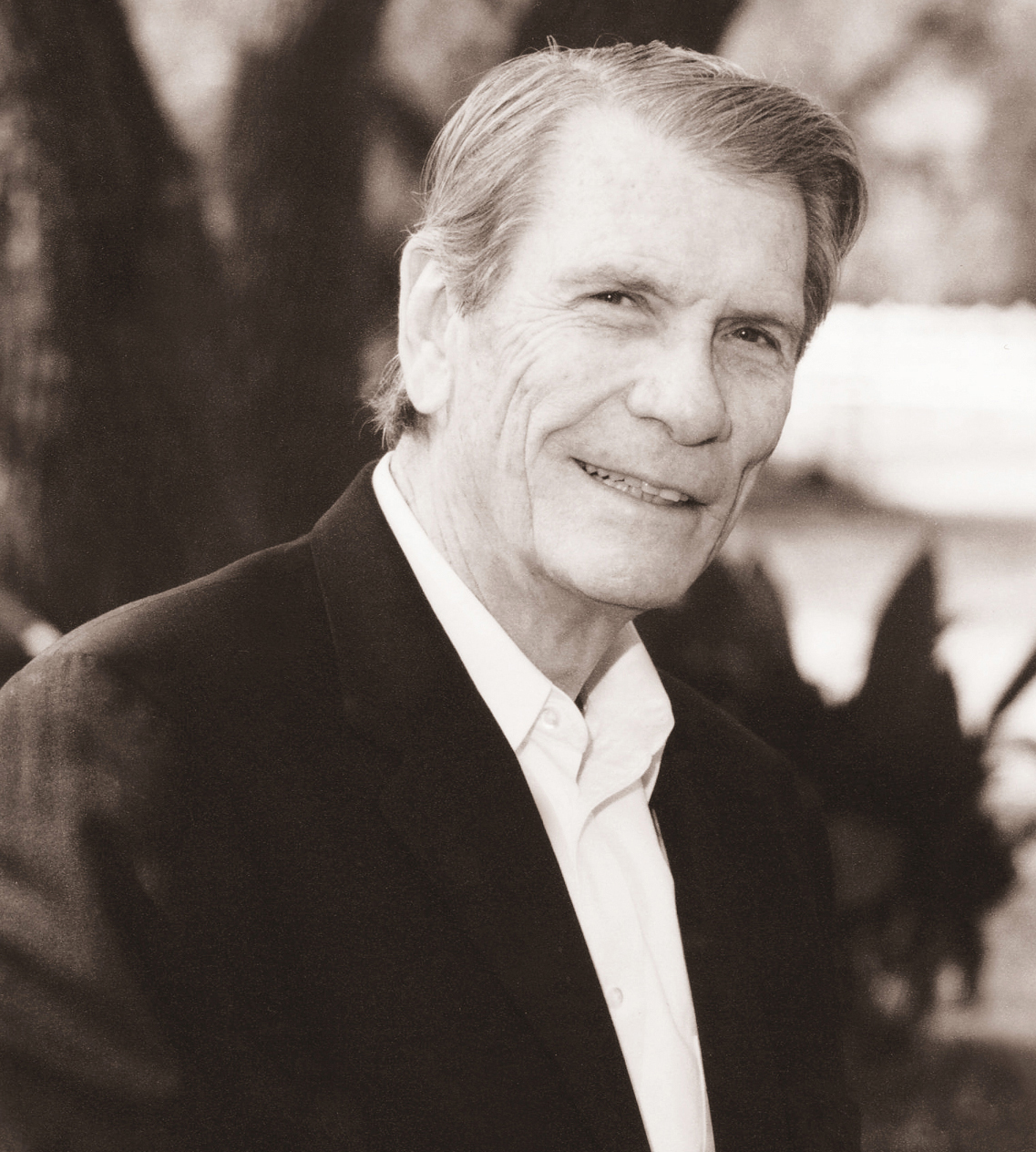
We learned yesterday that Dr. Paul Faulkner had died at the age of 92. We knew he was in ill health and that he suffered from several maladies. It still has caused us to pause and think and reflect upon his influence on us.
So, I shall share a few stories and observations.

In 1972, eons ago, when I was graduating from Lubbock Christian College, I applied for graduate school at then Abilene Christian College. We had an apartment near campus and a scholarship and all looked good to go. Then, a recruiter from Harding Graduate School of Religion, now Harding School of Theology, Memphis, Tennessee, was on campus at LCC. On a lark, we decided to apply at Harding and we got a larger scholarship and Charla got a job working in the library, so we decided to go there.
In the fall of my first year on campus, I was part time youth minister at the Highland Church of Christ, and we met up with Dr. Faulkner at a youth rally one Saturday in Nashville. He asked, "Where have you been? You were going to be my graduate assistant." We had a pleasant conversation and that was it.
That was it until the Spring, 1984.
We had been at Ohio Valley College since 1982. Between 1972 and 1984 we had been in El Paso, back to Memphis, attended Ole Miss part time, and was now "Waymon R. Hinson, Ph.D." We had given birth to two boys back in 1978 and 1981, and we knew that it was time to move on from the Ohio Valley.
I was home with a brutal case of mononucleosis which had ravaged campus that year. Mine seemed to linger longer than that of others. I was in bed, reading a copy of the Journal of Marital and Family Therapy, when Charla called out, "This is Tom Milholland on the phone. Do you want to talk to him?" Of course, I did. I knew that he was on faculty with Dr. Faulkner in the MFT program, then called the MFI, at ACU.
To make a long story short, we interviewed at Lubbock Christian College and at a church in San Antonio, but ACU seemed to be calling the head and the heart.
We went to interview at ACU with a spirit of hopefulness despite the lingering effects of mono and the fatigue of interviewing at three places in a week. Paul and Tom were engaging and inviting and we had good BBQ at Harold's. I knew I was not the number one choice, but when that guy said no, that he'd stay where he was, I was invited to become the third member of the full time faculty at ACU in the MFI.
It struck me then as it strikes me now. In 1972 I could have been his graduate assistant, and then in 1984, he chose me to be on the MFI faculty along with him and Tom. I'd like to think that those 12 years prepared me for the next 24 and beyond.
Paul was a dreamer, it seemed to me, and Tom and I were the boots on the ground.
So, I was grateful for his trust in me as a new faculty member, and no doubt, he saw the value in those new courses and what they would bring to the students and their careers.
Paul was a competitor both on the athletic field and court and in other places. His competitive spirit made me want to do better. Early on in my time on the ACU/MFT faculty, he was giving me an evaluation at the end, if I remember correctly, of a semester. He said at one point, "When we hired you, I expected you to do about a B or B+ with us, but you are giving us an A- or an A." Those encouraging words, spoken truthfully, I think, looking back, inspired me to do well in the classroom and in other phases of life in the academy.
I remember only playing tennis with Paul and his lifelong tennis partner, Bill Wright, on one occasion. I don't remember who the fourth was, maybe it was Tom or maybe it was our mutual friend, Cecil Eager. When Paul was serving to me, I quickly realized that I was out of my league. If I crept in close, he'd hammer a flat serve by me, and if I moved back, he'd slice one out of my reach. I just kept up with the running thing.
He was a skilled administrator. He knew when to do something. He knew when to delegate. He initiated the program becoming COAMFTE-accredited. Tom kept it after Paul retired,, and I kept it going after Tom moved into administration.
As a group of three faculty, we wanted our students to learn the content of our courses and to learn the skills of marriage and family therapy. Each one of us, Paul, Tom, and I, had different specialties within the discipline of MFT. He was a reader and a thinker, and he pulled in great speakers for workshops that expanded our horizons as faculty and as students.
He also encouraged political involvement. He had been actively involved with TAMFT, as was Tom, and Paul encouraged me as well. So, off I went to become chair of the ethics committee, chair of the strategic planning committee, and ultimately to become member of the TAMFT board, and then later to follow Tom as chair of the MFT licensing board. The point? Those things would have been much more difficult were it not for Paul's encouragement.
He also encouraged all of us, himself as well as Tom and me, to present at conferences. The three of us had different interests and foci, so off we all went to state, regional, national, and international conferences. Those continued to put the MFT program at ACU on the map as a good place to study marriage and family therapy.
Paul valued collegiality. On one occasion, when I had finished licensure requirements for the psychology license, just a few months after moving to ACU and Abilene, he and his wife, Gladys, held a reception for the MFT and the psychology faculty at ACU. During those days there was something of a rivalry between the two departments, and he wanted there to be more collegiality. He and the chair of the psychology department were friends, and he, I think, wanted that friendship to continue up and down both faculties.
He was a commanding presence, a tall, athletic man, with a deep, countrified voice and vocabulary, and he was fierce on the tennis court. He had a laugh that was engaging.
He recognized his foibles. One of which was his inability to remember names. Humorously, he, at times, depended upon Charla to connect for him events and names. Charla was good with names, so Paul asked her on several occasions both in person and on the phone to help him with a name. Another story that we laughed about off and on during those years was about me and his challenges with names. At our first meeting, he passed out an agenda. In the margin of the agenda, he wrote in his own hand, "Waymon do this, "Wayne do that," "Waymon," and "Wayne." I wondered if Paul had hired two new faculty. No, it was just Paul and my strange name.
When Paul retired and turned the leadership of the program over to Tom Milholland, Tom and I both realized that we were standing on the shoulders of a giant of a man. We knew that we were drinking from wells that we did not dig. For years, Paul's portrait was hanging on the wall there in the clinic adjacent to the offices. It was a wonderful capture of the man. Looking off in the distance, pondering some noble idea or possibility.
There are many of us who can tell Paul Faulkner stories, whether at ACU or Resources for Living or the ministry network or church in the Hill Country or the marriage and family workshops that he did around the world with his good friend, Carl Brecheen.
It is stories, and the mentioning of a name that keep the person alive within. I plan to speak his name often because in more ways than I can count, my career was dependent upon him. Those 24 years on the ACU campus would not have happened without him, and so many other things along with those years.
So, today, I am both glad and sad at the passing of Dr. Faulkner. Sad that he is no longer with us, but glad that he lived his life well and that so many will miss him and speak of him often, all while he is living in Glory with his beloved, Gladys.


